
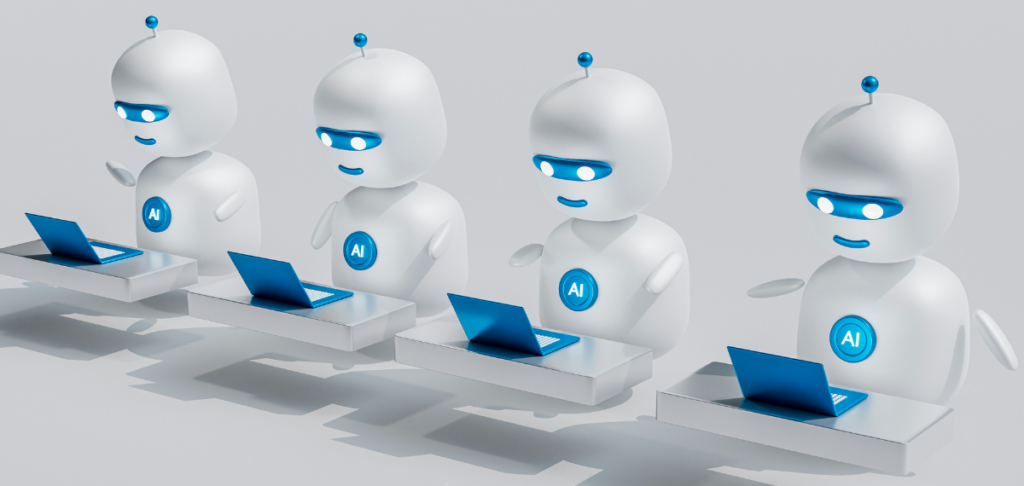
Understanding AI Agents: What They Are and How They Work
AI agents are sophisticated software systems designed to perform tasks that typically require human intelligence. They employ various technologies, including machine learning and natural language processing, to understand, learn from, and respond to their environment. AI agents are capable of processing large volumes of data quickly and can continuously improve their performance based on new input, enabling them to effectively assist users in various personal and professional contexts.
At the core of AI technology lies machine learning, which allows systems to learn from historical data. This involves various algorithms that enable AI agents to identify patterns and make predictions or decisions without being explicitly programmed for each specific task. For example, a machine learning-driven AI agent can analyze previous interactions with users to personalize responses in future interactions, thereby enhancing user experience.
Another key component is natural language processing (NLP), which enables AI agents to comprehend and generate human language. This is crucial for applications such as virtual assistants, where understanding user commands and context is vital for delivering meaningful responses. NLP allows AI agents to process spoken or written language, interpret intent, and interact in a way that feels natural to the user.
In everyday life, AI agents manifest in various forms. Virtual assistants like Siri and Alexa perform tasks such as setting reminders, answering questions, and controlling smart home devices. Additionally, automation tools streamline repetitive business processes by handling data entry, scheduling, and customer inquiries, freeing up valuable time for employees to focus on more strategic tasks. Overall, AI agents are designed to enhance efficiency and productivity, effectively giving users back hours that can be utilized for other endeavors.
Time-Consuming Tasks: The Burden on Our Schedules
In contemporary work environments, professionals often find themselves overwhelmed by a plethora of mundane tasks that significantly encroach upon their productive hours. Activities such as scheduling meetings, managing an overflowing email inbox, and executing repetitive data entry jobs are typical examples of time-consuming responsibilities that drain energy resources. These tasks, though necessary, can lead to frustration as employees struggle to maintain focus on their core job duties.
Firstly, scheduling can emerge as a monumental hurdle in maintaining productivity. Coordinating times with team members, clients, or stakeholders often escalates into a time-consuming endeavor, involving back-and-forth communication and considerations of multiple calendars. This incessant juggling not only consumes time but also detracts from an employee’s ability to engage in more strategic or higher-value activities.
Moreover, managing emails has become synonymous with modern work life. Professionals are inundated with countless messages, many of which require immediate attention or detailed responses. As a result, this constant influx of information can lead to furrowed brows and distractions, significantly hampering one’s ability to focus on priority tasks. Time spent sifting through emails can add up quickly, signaling an urgent need for more efficient management solutions.
Data entry tasks also plague various industries, demanding significant time and attention while offering little satisfaction in return. Whether updating databases or compiling reports, these activities often take longer than anticipated, resulting in decreased work-life balance. The repetitive nature of data entry can lead to errors and decreased job satisfaction when staff members are bogged down in tedious work.
Overall, these time-consuming tasks represent a substantial burden on individuals’ schedules and can have detrimental effects on both productivity and personal well-being. The emergence of AI agents as supportive tools stands as a promising solution, offering the potential to reclaim lost time and enhance overall work efficiency.
How AI Agents Help Us Save Time
In the fast-paced environment of contemporary life, time management has become crucial. AI agents have emerged as valuable tools that assist individuals and organizations in reclaiming hours each week through their diverse functionalities. One of the core features of these intelligent systems is automated scheduling. By analyzing calendars and availability, AI agents can efficiently arrange meetings and appointments without the back-and-forth often associated with manual scheduling. This functionality alone can save hours of administrative work, allowing individuals to focus on their core responsibilities.
Another significant feature is the capability of smart reminders. AI agents can send timely notifications about upcoming deadlines and important tasks, preventing last-minute scrambles and missed opportunities. Studies show that users who employ smart reminder systems report a noteworthy reduction in procrastination and feel more organized. Rather than relying on subjective memory, these agents provide structured prompts that promote productivity and adherence to schedules.
Task prioritization is another pivotal aspect of AI agents. By utilizing algorithms that assess task urgency and importance, these agents help users determine what to tackle first. This systematic approach to managing workloads can lead to more efficient time allocation, as users can focus on high-priority tasks that yield the greatest impact. Real-world statistics indicate that businesses utilizing AI agents for task management have observed up to a 30% increase in overall efficiency, highlighting their role in saving valuable time.
In summary, AI agents have the potential to transform how we manage our time. Their automated scheduling, smart reminders, and intelligent task prioritization features empower users to streamline their activities effectively. As we continue to embrace such technological advancements, the prospect of gaining back precious hours each week becomes increasingly tangible.
The Future of AI Agents and Their Impact on Our Lives
The advent of artificial intelligence (AI) agents has fundamentally altered how we approach time management and productivity. As these tools evolve, they are expected to work more seamlessly with daily tasks, enabling individuals to reclaim significant portions of their time. Emerging trends suggest the development of AI systems that can learn from user behavior, offering a personalized experience that adjusts to individual preferences and work styles. This tailored approach could enhance efficiency and effectiveness in various domains, from personal scheduling to corporate project management.
As AI agents become increasingly sophisticated, they may also integrate with other emerging technologies such as the Internet of Things (IoT) and machine learning. This synergy could lead to smarter environments that proactively manage tasks without user intervention. For instance, an AI agent might coordinate household chores through connected devices, scheduling cleanings or deliveries autonomously. Such advancements promise to streamline many facets of life, thereby allowing people to devote more time to activities that matter most to them.
However, the increased reliance on AI agents raises several ethical considerations. Issues concerning privacy, data security, and algorithmic bias become paramount as AI takes on more responsibilities in our lives. Ensuring that AI systems are transparent and accountable is critical, as consumers must trust that the AI tools they employ are serving their interests fairly and ethically. Furthermore, human oversight is essential to balance automation with the need for critical thinking and emotional intelligence that only humans can provide.
In summary, the future of AI agents holds significant promise for reshaping our productivity landscape. Their ability to reclaim time while enhancing efficiency, coupled with the challenges of ethical governance, will define how society adapts to this evolving technology. As we embrace these changes, the importance of maintaining human involvement remains a critical factor in navigating the transformative effects of AI in our daily lives.